
Oversize & Heavy Items: FBA vs 3PL Economics in 2026
FBA is built for small, fast-moving products, and its pricing says so. Once a product crosses into oversize, three costs escalate at once and the model that works beautifully for a phone case starts working against you. Bulky sellers are the group most likely to be paying for a fulfillment method that no longer suits their catalogue.
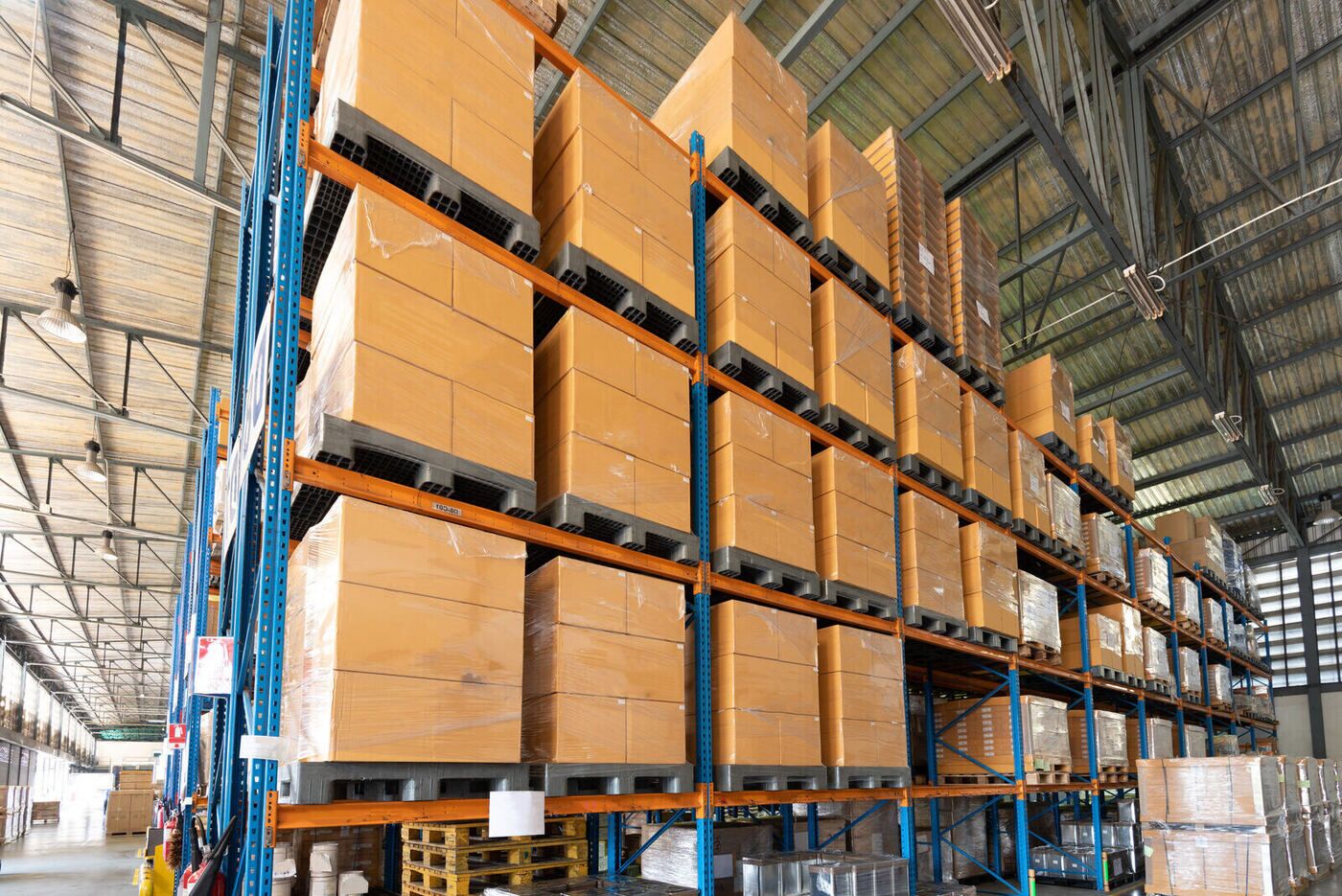
Oversize products are hit three times: higher fulfillment fees by size tier, more expensive storage because you pay by volume, and freight billed on dimensional weight. A 3PL charging $0.50 per cubic foot and per-order pick and pack usually beats FBA on bulky goods, especially slow movers. Small fast movers should stay in FBA.
What's in this guide
Why bulky products break FBA maths
FBA pricing is optimised for products that are small, light and sell quickly. That is where the economics are genuinely excellent, and it is why the programme won. The trouble is that the same pricing applied to a 30-pound item that sells twice a week produces a very different outcome.
Three costs escalate simultaneously for bulky goods, and they are not independent. Fulfillment fees rise by size tier. Storage rises because it is charged by volume. Freight rises because it is billed on dimensional weight. A product that is 40% larger is not 40% more expensive to run. It is considerably worse than that.
Size tiers and where the cliff edges are
Amazon assigns each product a size tier from its dimensions and weight, and the fee follows the tier. The important structural point is that tiers are steps, not a gradient. A product sitting just inside a tier boundary and one sitting just outside pay noticeably different fees for a trivial physical difference.
This makes precise measurement one of the highest-return activities available to a bulky seller. Measure the packed carton, not the product. Check whether trimming void fill, changing carton style or flat-packing drops you a tier. On a product shipping thousands of units, a single tier change is worth more than most optimisation work people spend months on.
Our FBA fees guide covers the full fee structure.
Storage: the cost that compounds
Storage is charged by volume, so a bulky product pays more per unit by definition. Then two multipliers arrive. Rates rise substantially from October through December, and aged inventory attracts long-term storage fees on top.
For a slow-moving oversize product the combination is genuinely punishing: you pay a high monthly rate, on a large volume, for a long time, and then a surcharge for having done so. This is the single clearest case for holding stock outside Amazon. At $0.50 per cubic foot on a 3PL floor, the same pallet costs a fraction of what it costs inside FBA, and it is not subject to the utilization surcharge.
Dimensional weight, from factory to customer
Dimensional weight affects you twice, and most sellers only model it once.
Inbound: ocean freight is priced per cubic metre and air freight on chargeable weight, which is the greater of actual and volumetric weight. Bulky goods therefore cost more to import before Amazon has touched them. How you carton at the factory in India or China determines the invoice you pay in America. Run your dimensions through the shipping calculator or read what drives freight cost on the lane.
Outbound: the same logic applies to the parcel going to the customer. If you fulfil yourself, you pay it directly. If FBA fulfils, it is baked into the size tier fee.
The practical consequence: packaging decisions made once, early, at the factory, echo through every single unit you will ever ship.
When to keep FBA anyway
Do not over-correct. FBA still wins for bulky goods in specific cases:
- The product sells fast enough that it never accrues meaningful storage.
- Prime eligibility measurably drives your conversion, which is common in competitive categories.
- Your margin is comfortable enough that operational simplicity is worth paying for.
The trap is assuming FBA is correct because it was correct when you launched with a smaller product. Re-run the numbers per SKU rather than per account.
The hybrid most bulky sellers land on
Very few catalogues are uniformly bulky. The arrangement that tends to survive contact with reality is split by SKU rather than by account:
- Small, fast movers stay in FBA, where the fees are good and Prime lifts conversion.
- Oversize and slow movers run FBM from a 3PL, priced on space used and orders shipped.
- One inventory pool feeds both, so you forecast once and never discover you are out on one channel while overstocked on the other.
That is how our US fulfillment is set up: oversize cartons priced on the space they actually occupy rather than a flat oversize penalty, with the same stock feeding FBA replenishment and direct orders. Compare the models in 3PL vs FBA vs your own warehouse, or get a quote with your real dimensions and volumes.